

How to choose safe wellness products without hype or worry
Whenever I look for a wellness product—whether it’s something for skincare, supplements, or even calming teas—I notice how easy it is to feel lost among all the options. Are the bold labels true? Is the “next big thing” actually safe for me? Even as someone used to reading up on wellness topics for Zenvoria Life, I still catch myself pausing at the shelf (or screen) and wondering what “safe” really means here. I want to walk you through how I learned to make calmer, smarter choices about wellness products, without falling for hype or feeling anxious every time a new trend pops up.
Why it matters to be careful with wellness products
When so many products look and sound alike, it’s easy to assume they’re all safe. But I’ve found that safety isn’t always guaranteed—even if something is sold by a big brand or gets the “natural” badge. Here’s what risks I look out for with wellness products:
- Unknown or untested ingredients
- Confusing science claims with little research
- Hidden allergens or formulas with unnecessary additives
- Pretty packaging but no transparency about sourcing
At Zenvoria Life, we spend a lot of time researching common worries like these, which is why I want to break down a simple method for checking product safety, even if you feel overwhelmed by all the information.
My step-by-step method for choosing safe wellness products
Here’s the process I developed over the years for picking wellness items thoughtfully. It’s part skill, part habit, and all about peace of mind—not perfection.
1. Start with your real needs
I used to chase after every trending product until I stopped and asked myself, “What do I actually need?” Focusing on a real goal—better sleep, clearer skin, more energy—keeps me from grabbing items just because they’re popular. When I line up my purchases with my needs, I’m less tempted by wild promises or unnecessary extras.
2. Read labels like a detective
This step changed everything for me. I started treating wellness product labels like a little puzzle, not just a list of words. Here’s what I look for:
- Clear ingredient list: I avoid products with endless ingredients I can’t pronounce or recognize.
- No vague terms: Labels like “botanical complex” or “proprietary blend” usually leave out details. I want the actual names, not just marketing words.
- Allergen warnings: I always check for bolded ingredients or special warnings like “may contain traces of,” especially with supplements, teas, or beauty creams.
- Dosage and directions: Reliable products will always tell you exactly how much to use or take, not just “as needed.”
Transparency on the label is your first clue to a product’s honesty.
3. Investigate the brand’s reputation
Sometimes, even after checking a label, I want extra reassurance. That’s when I look at the brand. Here’s what makes a brand dependable to me:
- Easy access to customer support or information
- Public product test results or certifications
- Company commitments to ethical sourcing or sustainability
- Clear website info about their manufacturing and standards
A credible wellness brand doesn’t hide details about their process or ingredients, and doesn’t rely only on buzzwords or celebrity endorsements.
4. Research third-party testing and certifications
I’ve learned not to take “clinically tested” or “dermatologist recommended” at face value. The most trustworthy products include certifications or testing info from independent groups. I always look for:
- Certified labels like Non-GMO Project, USDA Organic, or similar (depending on the product type)
- Batch numbers or expiration dates, which show a company does regular quality control
- Testing or analysis available on request or via their website
If I can’t find proof of outside testing, I usually keep looking. It’s not about paranoia, just preference.
5. Read a mix of real customer reviews
Honest experiences from other buyers matter. But I learned to spot fake or biased reviews over time. Balanced feedback tends to:
- Mention both pros and cons
- Describe how someone felt after using the product for more than a day or two
- Share helpful details (how it tastes, feels, applies, etc.)
A good tip is to check different sites and look for patterns. If every review says the product changed someone’s life overnight—or if only five-star reviews show up—it’s a signal that things might be exaggerated.
How to spot hype and avoid gimmicks
In my experience, the biggest source of confusion isn’t ingredients alone, but the way products are marketed. I watch for these red flags of wellness hype:
- “Miracle” claims that sound too good to be true
- No evidence or research to back up bold statements
- Products that promise “detox” or “cure” without details
- Photoshopped images or heavy influencer marketing that show unrealistic results
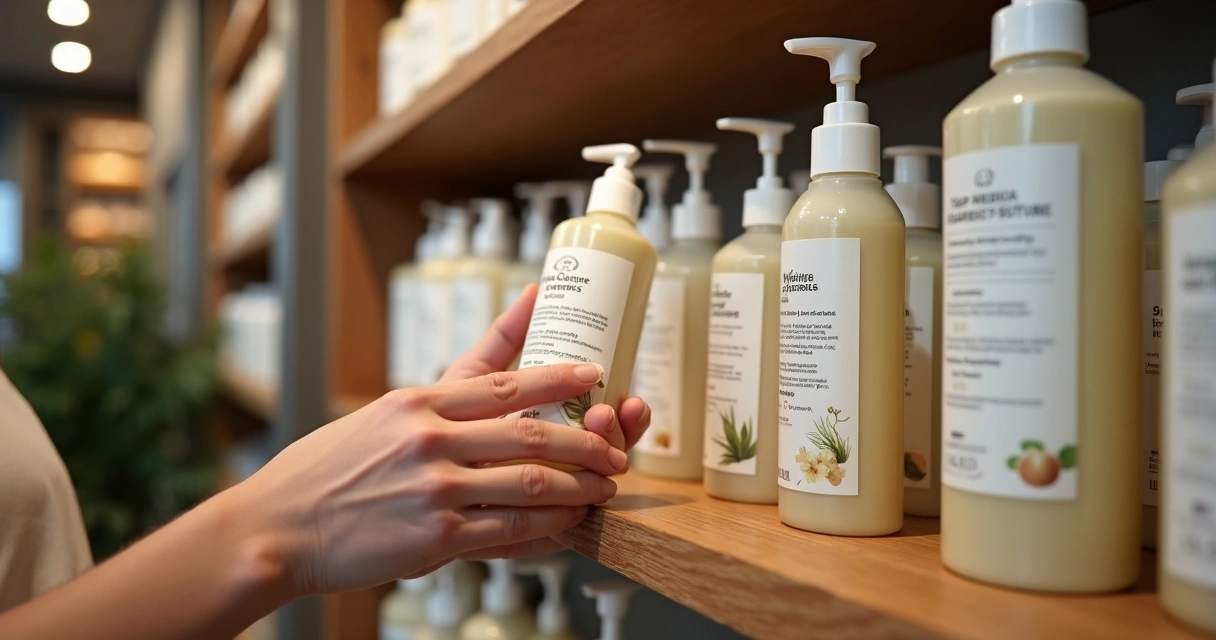 To cut through the noise, I slow down when something feels pushy or urgent. If a product’s value is truly real, the company won’t need to rely on hype to sell it. I’ve even written about recognizing these signs in this wellness hype guide on Zenvoria Life.
What transparency really means in wellness
Transparency is a core value for me and for Zenvoria Life’s recommendations. But what does it look like in practice?
- The company lists every ingredient, even in small amounts
- You can ask questions and get direct, thoughtful answers
- Sourcing, manufacturing, and delivery steps are shown publicly
- Product goals are realistic, matching everyday wellness—not perfection
Transparency, to me, means I never have to guess about what I’m buying, and I never feel shamed for wanting to know more. This approach is woven through each article and review I write for Zenvoria Life, where we put honest information before trends.
Making the best choice for you every time
After years in wellness writing and research, my advice is simple: the safest product is the one that’s honest, necessary, and proven in everyday life. Here’s a quick checklist that sums up what I’ve learned:
- Match products to your clear needs, not FOMO or advertising
- Read every label with curiosity—not fear
- Value transparency, even if it takes an extra minute to check
- Don’t be shy about asking questions or reading in-depth reviews
- Trust your gut; if something seems off, there’s a reason
Safe wellness is calm, slow, and built on informed curiosity—not pressure.
Useful links for deeper understanding
If you’re interested in building your label-reading habits or want more on balancing wellness with daily life, I’ve gathered some internal Zenvoria Life resources that helped me too:
- Break down of popular wellness ingredients and their research: wellness ingredients explained
- Tips for creating steady, sustainable routines: routine-building article
- More advice from our writers: author profile page
- To search for wellness topics you care about: wellness search tool
 Conclusion: Your wellness, your peace of mind
I want to remind you that choosing safe wellness products doesn’t need to be intimidating or stressful. It can actually be empowering—with the right tools, you’ll feel less forced by trends and more grounded in your unique choices. That’s exactly the kind of balance Zenvoria Life aims for: wellness that feels honest, clear, and always within reach. If you’re ready to learn more about sustainable living and practical self-care, start exploring what Zenvoria Life offers—you might be surprised how simple well-being can feel.
Frequently asked questions
How to know if a product is safe?
Safe products show clear ingredient lists, batch numbers, and have details on sourcing or manufacturing. I always look for independent certifications and transparent directions, and double-check for potential allergens or irritants on the label. If I have doubts, I check if the company provides thorough information or responds to questions quickly.
What ingredients should I avoid in wellness products?
In my research, I avoid products with artificial dyes, parabens, synthetic fragrances, and “proprietary blends” that don’t specify exact ingredients. If there are rare or unfamiliar chemicals, I do a quick check using trusted resources or consult a professional. It’s also smart to avoid any ingredient you know you’re sensitive or allergic to, so reading closely is always worth your time.
Are natural wellness products always better?
Natural doesn’t always mean safer or more effective. Some natural ingredients can cause irritation, allergies, or interact with medications. The best choice, in my experience, is one that’s tested, transparent, and matched to your personal health profile. Labels, clinical research, and honest sourcing all help you decide what works for you, not just what’s labeled “natural.”
Where to find unbiased product reviews?
I rely most on independent consumer reviews, expert blogs, and communities that do not appear sponsored or driven by advertising. I always read a range of experiences—both positive and negative—and avoid sources full of only glowing praise, since those can feel manufactured. For balanced product information, I also check educational wellness sites like Zenvoria Life, which put transparency first.
How can I spot marketing hype?
If a wellness product promises “miracle” results overnight but hides ingredients or has little research, it’s probably more marketing than science. I watch for heavy use of influencers, buzzwords, and images that seem unrealistic. If everything sounds too good or pressures you to buy quickly, I slow down and ask more questions.