

Natural supplements vs. fortified foods: What supports wellness?
Choosing what to add to my daily life for better health always brings questions. Is it better to reach for a natural supplement or is my body just as happy when I pick up a fortified food at the store? I’ve had these thoughts so many times, both as a wellness researcher and in my own kitchen. At Zenvoria Life, we encourage honest and simple self-care, so let me share what I’ve learned, without hype or pressure.
Understanding the basics: What do natural supplements and fortified foods mean?
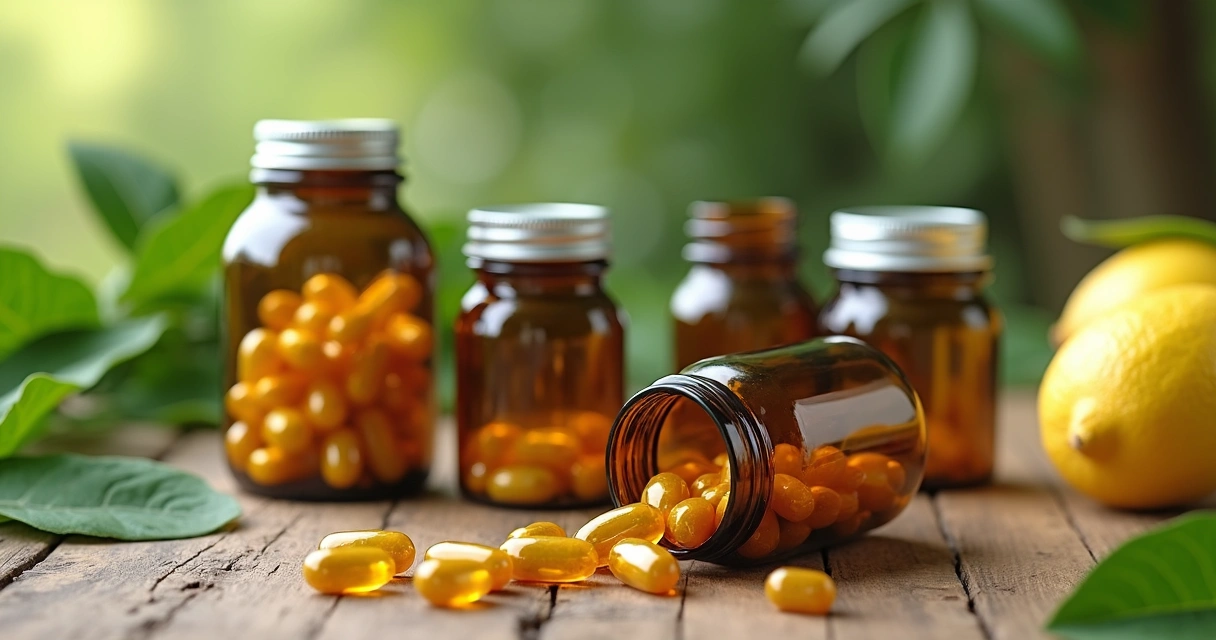
When people talk about natural supplements, they often mean vitamins, minerals, herbs, or other plant-based products. These come in capsules, powders, or drops. They are usually derived from foods or plants, and made to be as close to ‘nature’ as possible.
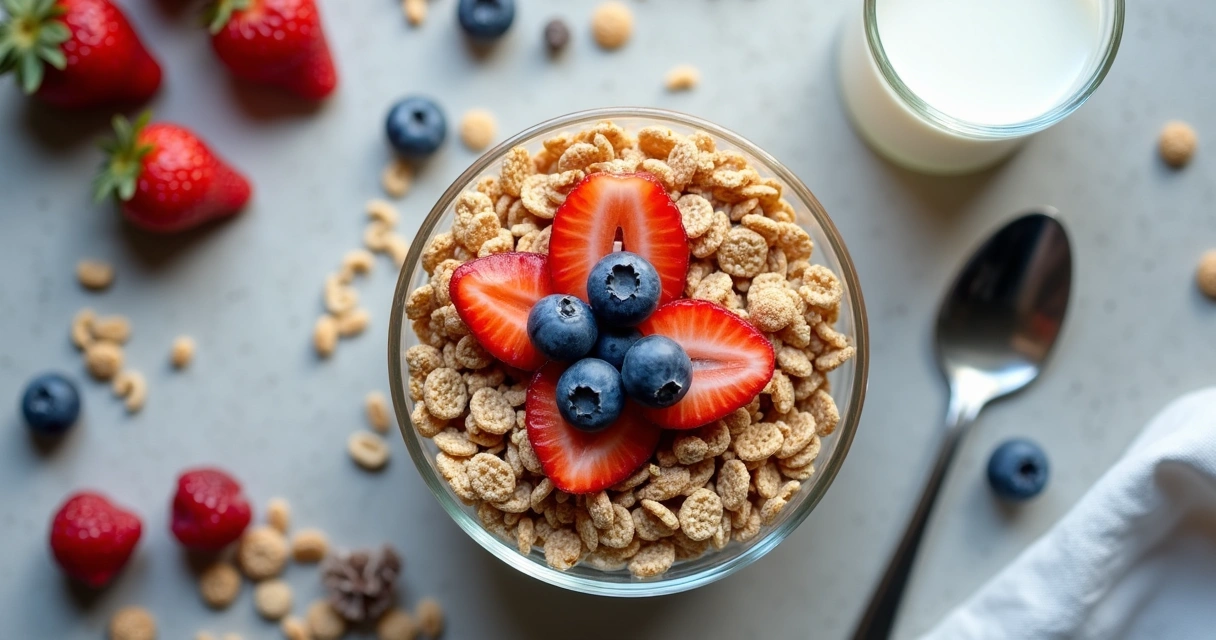
Fortified foods, on the other hand, are everyday foods that have extra vitamins or nutrients added during processing. Think of milk with added vitamin D, or breakfast cereals with more B vitamins than you’d find in nature. These products aim to help people get nutrients they might be missing from their usual meals.
Supplements are concentrated, fortified foods blend into the routine.
How do I know if I need extra nutrients?
I ask myself these questions:
- Do I eat a wide variety of vegetables, fruits, whole grains, and proteins most days?
- Am I following a way of eating that might miss out on some nutrients (such as vegan or dairy-free)?
- Have I noticed any signs of low energy or health changes that point to possible gaps?
- Has my doctor mentioned any specific needs based on my blood tests?
Most people can meet their needs by eating balanced meals. But sometimes, life gets busy or health changes come up. That’s when I look closer at where supplements or fortified foods fit.
Natural supplements: Pros, cons, and what to watch
Natural supplements can seem appealing. There are a few reasons I see people (myself included at times) drawn to these products:
- Natural supplements can be a quick way to fill a gap if you’re missing nutrients from your diet.
- They offer concentrated doses, for times when more is needed, such as vitamin D in the winter.
- Many people like knowing exactly how much of a nutrient they’re getting. It’s on the label.
 But there are things I always keep in mind:
- Supplements are not checked in the same way as medicines, so quality varies by brand.
- Taking high doses, especially without guidance, sometimes leads to getting too much of a nutrient.
- Some supplements may interact with medications or health conditions.
If you want to read more about healthy living habits and self-care routines, I recommend this article with tips on balance.
Fortified foods: Everyday convenience or processed trap?
Fortified foods are part of most grocery stores and can be found on many breakfast tables. They are made to help people get more vitamins and minerals, especially for groups that might not get enough from their typical meals.
- Easy to add to daily meals without changing routines.
- No need to remember pills or extra products.
- Often targeted to special needs (iron for children, folic acid for pregnant people).
 But, there are downsides I’ve noticed:
- Some fortified foods come with added sugars or low fiber, which don’t help real wellness.
- It’s sometimes hard to know if you’re getting too much, especially if you eat many fortified products in a day.
- Eating foods made mainly to carry vitamins can lead to missing out on the benefits of whole, unprocessed ingredients.
I like to look at how a food fits with my whole day. If a fortified cereal is my breakfast, does it leave room for fruits, nuts, or whole grains too?
Comparing the science: Which supports wellness better?
I often come across the question: Is it better to get nutrients from supplements or from foods, even if the foods are fortified?
From what I’ve seen in nutrition research and in daily practice, most health professionals suggest that people aim for nutrients through whole foods first. The idea is simple. Foods contain a combination of vitamins, minerals, fiber, and natural plant compounds that supplements can’t fully copy.
Food first, but smart supplements or fortification can help fill gaps.
However, for some groups, using a supplement or a fortified product becomes helpful or even necessary. This might include:
- People with limited diets or food allergies.
- Pregnant people or those trying to become pregnant (especially folic acid or iron).
- Older adults, who may need more vitamin B12 or calcium.
- Anyone with a diagnosed deficiency or higher need, based on medical advice.
My best wellness outcomes tend to come when I pay attention to my own body and habits, talk with my health providers, and stick to simple, balanced routines.
Tips for choosing what fits your lifestyle
I use these checks when I’m thinking about what to add:
- Start with a food-first mindset. Build meals with a variety of whole foods, grains, proteins, fruits, and vegetables.
- Read ingredient lists on packaged foods to know what’s been added.
- Check labels on supplements for doses, and choose brands that publish their testing or quality standards.
- Talk with a trusted health provider about unique needs or possible interactions.
- Adjust when times change, for example, pregnancy, aging, or busy periods at work.
Learning about food, routines, and wellness products can sometimes feel overwhelming, but I find that taking small steps, like exploring simple nutrition habits one at a time, makes it all more manageable.
What I personally choose and why
For myself, I lean on real meals and snacks built from simple, whole foods. But my life isn’t perfect. There are months when I add vitamin D drops, especially when sunlight is rare. Sometimes, I pick up a fortified plant milk instead of standard options. What I don’t do is try to get every answer from a supplement pill.
I try to:
- Keep my choices flexible and practical, instead of seeking a “perfect” plan.
- Balance between listening to my body and using reliable information.
- Skip products with big promises or hype. Simple, honest products win for me every time.
If you’re curious how others build balanced days, look at these easy daily routines for practical inspiration.
The Zenvoria Life approach: Confidence without extremes
At Zenvoria Life, my goal is always to help readers find confidence in their wellness decisions. That means making sure the information here supports simple, sustainable habits, not phony perfection. Whether you choose a natural supplement or a fortified food (or sometimes both), it should feel like it fits smoothly into your daily life, not like another stressful task.
If you want to connect with more resources, thoughtful tips, and personal stories, you can browse all of my authored articles or use the site search tool for any topic on your wellness journey.
Conclusion: Balanced wellness doesn’t mean “either-or”
Choosing between natural supplements and fortified foods isn’t about picking one side. Both can have a place in real-life wellness, depending on needs, preferences, and lifestyle. I’m a believer in keeping things simple, listening to my body, and choosing products that support my genuine health, not just the current trend. That’s what Zenvoria Life stands for as well: calm, practical wellness for your real world.
If you’re looking for practical ideas, honest reviews, and real wellness support without pressure, I invite you to get to know Zenvoria Life better and see how simple habits can build a healthier, calmer life for you too.
Frequently asked questions
What are natural supplements?
Natural supplements are products made from concentrated extracts of foods, herbs, plants, or naturally occurring nutrients, often available in capsules, powders, or liquids. They are used to add vitamins, minerals, or other health-supporting compounds to your daily routine, especially when your diet might be missing something important.
What are fortified foods?
Fortified foods are regular foods that have extra vitamins, minerals, or nutrients added during processing to provide additional health benefits or make up for common dietary gaps. Some everyday examples include milk with added vitamin D or breakfast cereals with iron and B vitamins.
Are supplements better than fortified foods?
Supplements and fortified foods serve different roles, and neither is automatically better. Supplements deliver nutrients in a concentrated dose for targeted needs, while fortified foods blend nutrients into everyday eating. The best choice depends on your personal needs, lifestyle, and any recommendations from your healthcare provider.
How to choose between supplements and fortified foods?
Consider starting with a diet rich in whole, natural foods. If you notice gaps or have special needs, look at safe, trusted supplements or foods with added nutrients. Check product labels for quality and be mindful of your overall daily intake to avoid getting too much of any one nutrient.
Where to buy quality natural supplements?
Reliable natural supplements are found at trustworthy retailers or directly from brands that publish independent testing and transparent ingredient sourcing. Always check labels and consult a health professional if you have questions about which products meet your needs.